
TP Wallet on the Move: How Tokenomics, Secure Channels and Upgrades Shape Practical Use
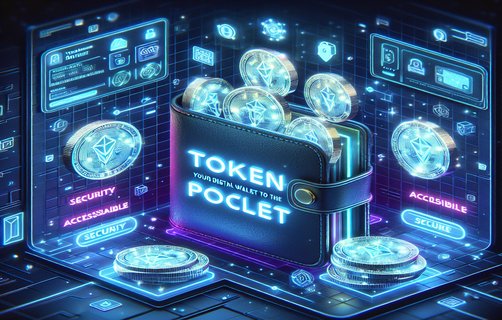
A pragmatic wake-up call for crypto users: TP Wallet is evolving from a simple key manager into an infrastructure node where token distribution, secure communications, and upgradeable contracts determine everyday usability. This report examines the technical and operational choices that make the wallet a practical tool for users, developers and institutions.
Token allocation remains a cornerstone. TP Wallet’s approach to token distribution should balance initial liquidity, team incentives, community rewards, and long-term reserve. A staggered vesting model and on-chain transparency minimize sell-pressure risk while programmatic allocation—such as community staking rewards and developer bounties—aligns incentives for ecosystem growth. From a user perspective, clear on-chain metadata and verifiable tokenomics reduce the cognitive load whhttps://www.xiengxi.com ,en accepting new tokens or participating in governance.
Secure communication technologies are no longer optional in a mobile-first wallet. TP Wallet must combine end-to-end cryptographic channels for peer-to-peer messages, secure enclave key storage, and authenticated transport layers for node-to-node interactions. Practical implementations include protocol-level encryption for push notifications, ephemeral session keys for wallet-to-dapp handshakes, and hardware-backed key protection for private keys. Together these measures limit attack surfaces: they prevent MITM interception of signing requests and shield private keys even if the OS is compromised.
High-efficiency fund transfers are equally critical. Layer-2 integration, gas-optimized batching and meta-transaction relayers let users move assets with predictable cost and latency. For TP Wallet, implementing smart routing between L1 and multiple L2s and supporting gasless UX via trusted relayers improves retention. Transaction simulation and nonce management reduce failed attempts, while optional social recovery and multisig setups provide low-friction safety for larger balances.
An advanced digital ecosystem depends on interoperability. TP Wallet’s role should extend beyond custody to become an access layer for DeFi primitives, NFT marketplaces, identity attestations and cross-chain bridges. A modular plugin architecture enables third-party dapps to offer integrated experiences without exposing raw keys, while standardized APIs and clear permission models keep user consent granular and auditable.
Contract upgrade strategy determines resilience. Proxy patterns with transparent governance and timelocked upgrades safeguard users, while rigorous audit requirements and on-chain proof of upgrade history increase trust. For wallets interacting with upgradable contracts, UI prompts explaining upgrade paths, multisig approvals for critical changes and rollback mechanisms are essential.
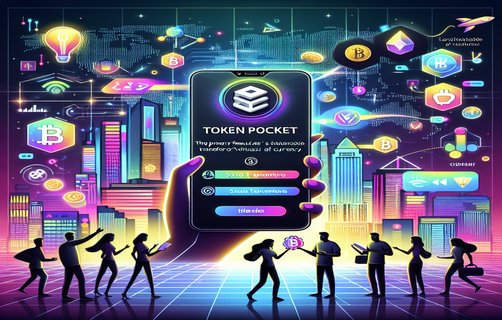
Professional analysis shows a consistent theme: usability and security are complementary, not opposing. Tokenomics that encourage stewardship, communications that preserve secrecy and authenticity, transfer mechanisms that prioritize predictability, and upgrade frameworks that enforce transparency—when combined—create a practical, resilient wallet ecosystem. TP Wallet can be more than a signing tool; with deliberate design choices it becomes a trusted entry point to the layered digital economy.
The practical next step is simple: users and integrators should demand transparent token policies, insist on cryptographic hygiene in communications, and prefer wallets that balance upgradeability with accountability. That combination will define whose wallet earns daily trust.
评论
SamWu
Informative piece — the emphasis on gas optimization and relayers answers many UX complaints I've seen.
林晓
很实用的分析,特别是关于合约升级和多签的建议,能减少很多风险。
Oliver_T
Good overview. Would like to see more specifics on which L2s and relayer designs the author favors.
陈倩
安全通信那段很到位,硬件密钥和临时会话密钥的结合很关键。
Maya88
Clear and concise — useful for both devs and adopters evaluating wallet choices.
赵勇
代币分配和透明度是关键,希望项目方能把这些建议落地。